
High-value freelance project opportunities are specialized roles that combine technical expertise with a specific industry vertical to deliver measurable business impact. Freelancers who target these niches, including AI/ML engineering, legal tech automation, and fractional CFO consulting, consistently command premium hourly rates well above platform averages. The difference between a $25/hr generalist gig and a $185/hr AI engineering contract is not talent alone. It is positioning. This guide covers the top types of high-value freelance project opportunities, how to identify them, and how to filter out the low-quality work that drains your time and income.
1. What are the top types of high-value freelance project opportunities?
The highest-paying freelance work sits at the intersection of a specific technical skill and an industry vertical. AI for legal compliance or data engineering for SaaS are two clear examples. These combinations create business impact that clients can measure in dollars, which is exactly why they pay more.
AI/ML engineering and automation
AI/ML engineering commands midpoint rates around $185/hr, making it the top-earning freelance category. Clients in this niche need freelancers who can build models, fine-tune large language models, or automate workflows. The demand is high, and the pool of qualified freelancers is still relatively small.

Legal tech automation and compliance
Legal tech automation averages $86/hr with consistent above-median budgets and strong demand growth. Lawyers and compliance teams need freelancers who understand both the regulatory environment and the technical tools to automate document review, contract analysis, or compliance reporting.
Blockchain and Web3 development
Blockchain and Web3 development sits at a midpoint of $160/hr. Projects in this category include smart contract auditing, DeFi protocol development, and NFT marketplace builds. The niche rewards deep specialization and punishes generalists.
Cybersecurity consulting
Cybersecurity consulting averages $150/hr at midpoint. Clients range from mid-size SaaS companies to enterprise firms needing penetration testing, security audits, or incident response planning. Regulatory pressure in sectors like healthcare and finance keeps demand steady.
Cloud architecture and DevOps
Cloud architecture and DevOps roles pay well because downtime is expensive. Freelancers who can design AWS, Azure, or Google Cloud infrastructure, or manage CI/CD pipelines, solve problems with direct revenue implications. That business impact justifies rates well above the platform median.
Fractional CFO and senior finance consulting
Fractional CFO roles command $90–$175/hr because they directly affect financial growth and risk reduction. Startups and scale-ups hire fractional CFOs to prepare for fundraising, manage cash flow, or build financial models. The client is paying for outcomes, not hours.
Data engineering for SaaS and enterprise CRM/ERP integration
Data engineers who specialize in SaaS analytics stacks or enterprise CRM/ERP integrations solve problems that block entire product teams. These projects often run for months, creating stable income alongside high hourly rates.
Pro Tip: High-volume freelance categories can be income traps. Prioritizing niches with a strong budget-to-volume ratio, rather than raw job count, yields better income per bid.
2. How to identify and prioritize high-value freelance projects
Identifying premium work before you bid is a skill. Most freelancers skip this step and waste hours on proposals that never convert.
Run a 60-second client screening pass
The 60-second client screening pass checks four things: verified payment method, hire rate above 30%, budget at or above market rate, and positive client reviews. Failing two of these checks is a clear signal to skip the job. High-earning freelancers treat this as a non-negotiable habit before writing a single word of a proposal.
Check the budget-to-volume ratio
A job category with hundreds of postings but consistently low budgets is a red flag for the entire niche. The best freelance project types show fewer postings but higher average budgets. That ratio tells you where serious clients are spending.
Match your skill set to the niche vertical
A data engineer who specializes in Salesforce CRM integrations will outbid a generalist data engineer every time, even at a higher rate. Clients in premium categories are not looking for someone who can figure it out. They want proof you have done it before in their specific context.
Use automated filters before you browse
Manually scrolling through job boards to find quality work is inefficient. Filtering out the bottom 40% of jobs by fit score before bidding increases win rates and reduces wasted proposals. Tools that apply automated guardrails against ghost postings and unverified clients save significant time each week.
Pro Tip: Write a scope box into every proposal. List what is included and what is explicitly out of scope. Clients who reject clear scope definitions are often poor leads, and this filter saves you from scope creep before the project starts.
3. What freelance platform strategies maximize access to high-value projects?
Platform choice directly affects the quality of clients you encounter. Not all platforms attract the same buyer.
- Use generalist platforms carefully. Large generalist platforms offer volume, but high competition in commodity categories drives rates down. Use them for portfolio building and to establish a track record in your niche, not as your primary income source.
- Apply to vetting-heavy platforms for elite roles. Platforms that screen freelancers before admission attract clients who expect to pay for quality. The application process is the filter. Getting accepted signals to clients that you have already been vetted.
- Retain margins by moving established clients off-platform. Freelancers achieve their best margins by moving long-term clients to direct relationships, avoiding platform commissions entirely. This works once trust is established and the client sees you as a partner rather than a vendor.
- Factor in fee structures when evaluating net income. Upwork charges 20% on the first $500, dropping to 10% between $500 and $10,000, and 5% beyond that. A $150/hr rate on a new client relationship nets you $120/hr until you cross the $500 threshold. That math matters when comparing platforms.
- Leverage personal networks for commission-free work. Referrals from past clients and professional networks produce the highest-quality leads with zero platform fees. One strong referral from a satisfied client in a premium niche is worth more than 20 cold bids on a job board.
The key insight here is that platform strategy is really client quality strategy. The platform is just the channel. Your goal is to reach buyers who value measurable business outcomes, and then move those relationships off-platform as quickly as the terms allow.
4. Common red flags and how to filter out low-quality freelance projects
Low-quality freelance projects share recognizable patterns. Learning to spot them fast protects your time and your income.
Unverified payment methods
Clients without verified payment methods are far more likely to be scammers or non-serious leads. This is the single clearest red flag on any major freelance platform. Never bid on a project from an unverified client, regardless of how attractive the description looks.
Hire rates below 30%
A client with a hire rate below 30% is posting jobs without serious intent to hire. These are ghost postings, market research exercises, or clients who have already made their decision and are collecting proposals for comparison. Your bid will not convert.
Budgets more than 40% below market rate
A budget that sits well below the going rate for the skill required signals one of two things: the client does not understand the market, or they do. Either way, the project is unlikely to be worth your time. Use market rate benchmarks for your niche as a hard filter.
Vague scope and language suggesting scope creep
Job posts that use phrases like "and whatever else is needed" or "we may expand the project" are warning signs. A specialized proposal with explicit scope and out-of-scope items acts as both a dealmaker and a filter. Clients who push back on clear boundaries before the contract starts will push harder once work begins.
No client history or reviews
A brand-new client account with no hire history is not automatically a scammer, but it requires extra scrutiny. Ask qualifying questions before investing time in a full proposal. Serious clients with no history will answer promptly and provide context. Non-serious ones will not respond.
Pro Tip: Build a personal red flag checklist and run every job post through it before opening a proposal document. Consistency in screening is what separates freelancers who earn well from those who stay busy but underpaid.
Key Takeaways
The most reliable path to higher freelance income is combining a specialized technical skill with a specific industry vertical, then filtering aggressively to bid only on projects that meet clear quality criteria.
| Point | Details |
|---|---|
| Top-earning niches | AI/ML engineering, blockchain/Web3, cybersecurity, and fractional CFO roles command the highest hourly rates. |
| Screen before you bid | Run a 60-second check on payment verification, hire rate, budget, and reviews before writing any proposal. |
| Platform strategy matters | Move long-term clients off-platform to direct relationships to retain the highest margins. |
| Budget-to-volume ratio | Fewer postings with higher budgets signal better client quality than high-volume, low-budget categories. |
| Scope boxes filter clients | A proposal with explicit deliverables and out-of-scope items identifies serious clients and blocks scope creep early. |
What I have learned from chasing premium freelance work
The shift from volume-driven to value-driven freelancing is uncomfortable at first. You bid on fewer projects. Your pipeline looks thinner. That is the point.
When I started positioning as a risk-reduction partner rather than a task executor, the conversations changed. Clients stopped asking about my hourly rate and started asking about my process. That shift happens when you speak their language, which is revenue, risk, and outcomes, rather than deliverables and deadlines.
The hardest lesson was accepting that a well-screened short list of bids outperforms a spray-and-pray approach every time. Buyers in premium categories focus on risk mitigation and measurable business impact. They are not shopping for the cheapest option. They are shopping for certainty. When your proposal communicates certainty, the rate conversation becomes secondary.
My practical advice: specialize until it feels too narrow, then specialize further. The freelancers earning $150/hr and above are not generalists who got lucky. They are people who solved a specific problem for a specific type of client so many times that they became the obvious choice. That reputation compounds. Build it deliberately.
— Forsova
How Forsova helps you bid on better projects faster
Spending hours scrolling through low-quality job posts is a real cost. Every proposal you write for a ghost-posting client is time you did not spend on a project that could have paid three times as much.
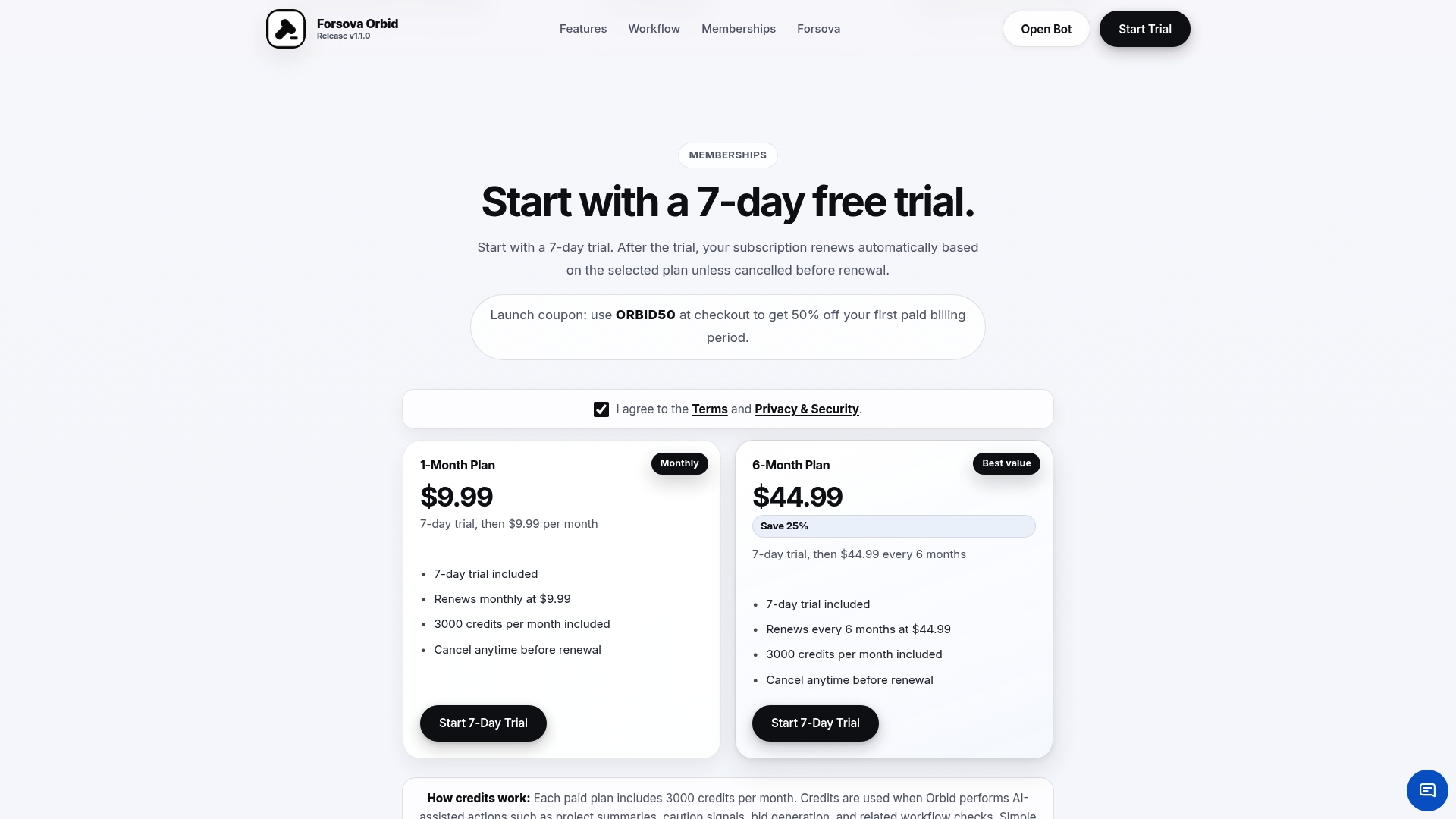
Forsova Orbid is a Telegram-based tool built for freelancers on Freelancer.com. It applies automated filters to surface high-fit projects, flags AI-detected caution signals on risky postings, and lets you check live bid counts before committing to a proposal. Forsova keeps your focus on the projects worth your time. Freelancers who use it report faster decision-making and stronger results on the bids they do submit. If you are serious about filtering weak projects and winning better work, Forsova is built for exactly that.
FAQ
What makes a freelance project "high-value"?
A high-value freelance project combines a specialized technical skill with a specific industry vertical to deliver measurable business impact. These projects typically pay well above platform averages and attract fewer competing bids.
Which freelance niches pay the most in 2026?
AI/ML engineering averages around $185/hr at midpoint, followed by blockchain/Web3 development at $160/hr and cybersecurity consulting at $150/hr. Fractional CFO and legal tech automation also rank among the top-paying categories.
How do I filter out low-quality freelance projects quickly?
Run a 60-second screening check on every job post: confirm verified payment, a hire rate above 30%, a budget at or near market rate, and positive client reviews. Failing two of these checks is a reliable signal to skip the posting.
Should I use multiple freelance platforms to find premium work?
Yes, but with a clear purpose for each. Use large generalist platforms to build your track record, apply to vetting-heavy platforms for elite roles, and move your best long-term clients to direct off-platform relationships to maximize your net income.
Does specializing really lead to higher rates?
Specialization is the primary driver of premium rates in freelancing. Clients in high-value categories pay for certainty and proven experience in their specific context, not for general ability. The narrower and more documented your niche expertise, the stronger your rate justification.